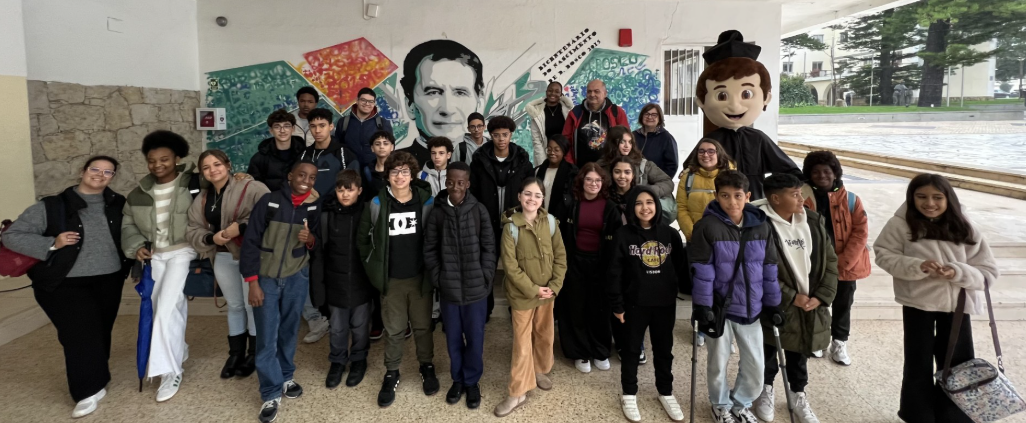
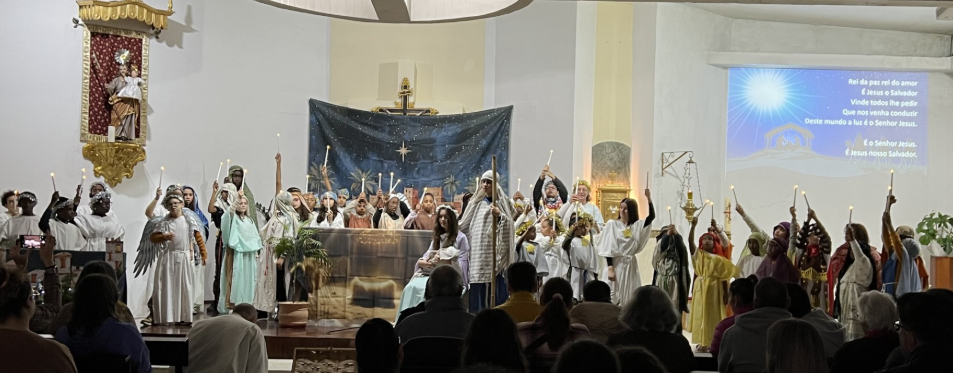
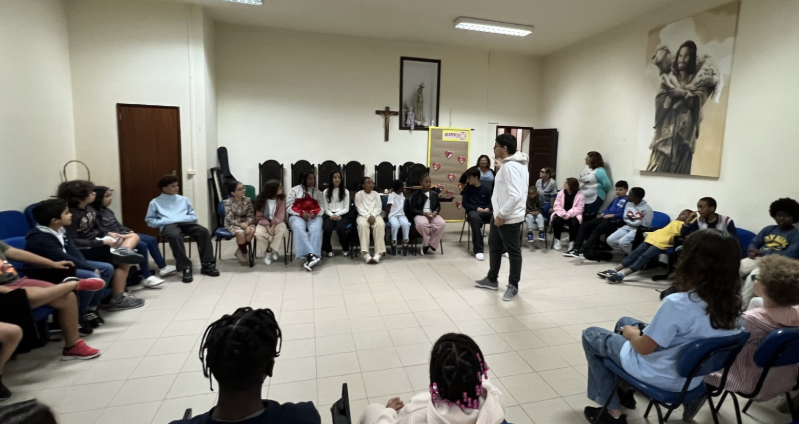
Setúbal is a city with a strong community identity and a diverse social reality. In several areas of the municipality, the population is mostly lower-middle socioeconomic status, with the presence of different social housing neighborhoods and related challenges such as job insecurity, housing instability, and unequal access to educational and cultural opportunities. At the same time, Setúbal is marked by significant cultural diversity, with a strong migrant presence, which enriches the local context but may also create increased needs for integration support, language assistance, intercultural mediation, and stronger community support networks. In addition, it is a riverside/coastal city located on the Sado River estuary, known for its natural beauty and for a strong fishing and maritime culture that remains central to local daily life and identity.
This ministry is grounded in a Salesian pastoral vision, inspired by the dynamism of the Holy Spirit and Don Bosco’s charism. Its approach is based on the Preventive System (reason, religion, and loving-kindness), emphasizing an educational presence, strong relationships, and an oratory-style environment home that welcomes, school that educates, playground where friendships grow, and church that evangelizes. It promotes human and Christian formation, social integration, and a sense of belonging, ensuring coherence with Salesian identity in the way we accompany and propose faith.
Purpose & Objectives
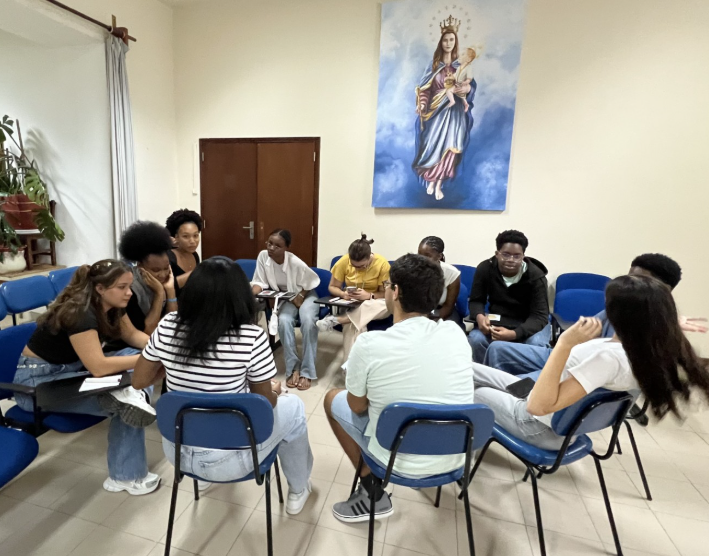
The ministry aims to accompany children, teenagers and young people, support the elderly, and walk alongside families in greater vulnerability, in coordination with the parish. Its purpose is to foster care, an educational presence, and social integration, providing a safe environment for human growth and faith.
Programs, Activities, & Other Projects
With openness and creativity remaining attentive to the Spirit’s dynamism and to the concrete needs of the local context other complementary projects may also be developed. Examples include university ministry initiatives (accompaniment, groups, formation and service) and support for migrants (technical/social guidance, integration support, intercultural mediation, referrals, and assistance with basic processes).
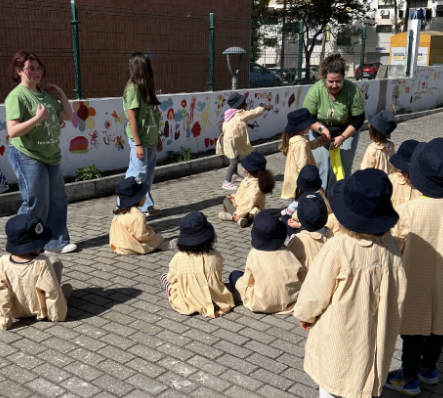
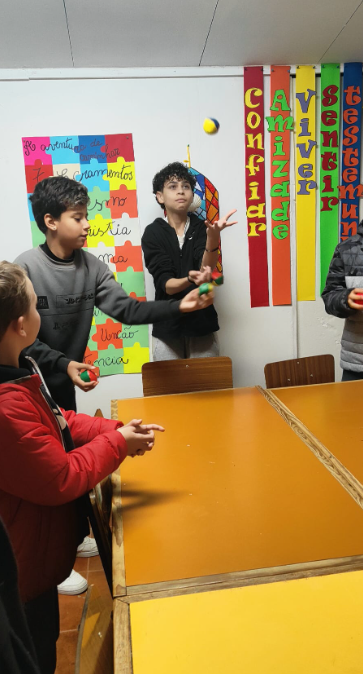
Accompany children, teenagers and young adults, supporting educational, recreational, formative and pastoral activities.
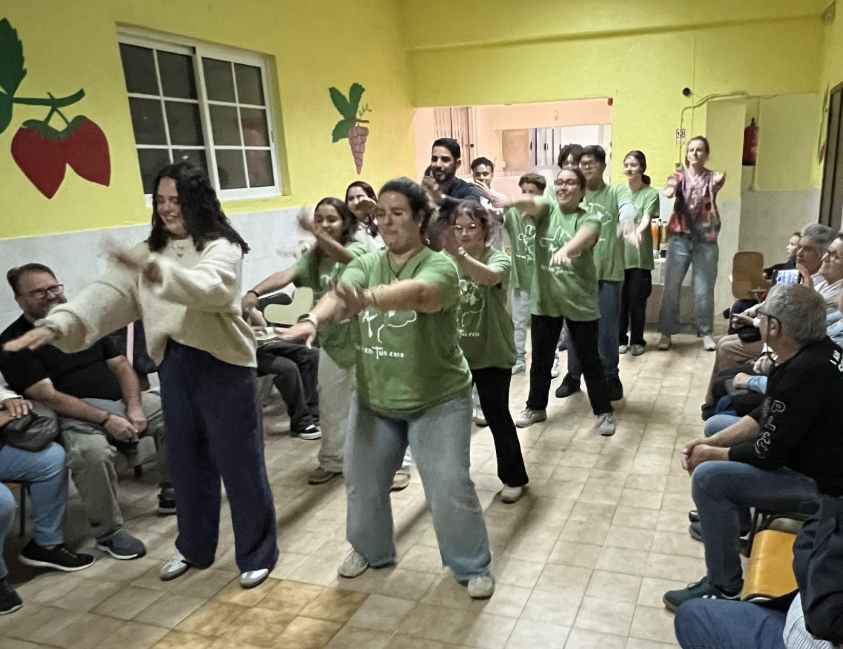
Support and accompany the elderly through presence, listening, visits and simple social moments.
Assist in accompanying families in greater vulnerability, offering proximity support and referrals when needed.
Take part in parish/oratory life (helping prepare and support activities, celebrations and community initiatives) in coordination with the local team.
Practical Qualifications/Skills Needed
Appropriate educational background and a strong sense of responsibility
Pastoral experience (parish/oratory, youth groups, catechesis, missions or volunteering)
Openness to pastoral accompaniment and shared ministry in a Salesian spirit
Ability to work within a team and coordinate across different ministries/services
Strong communication and interpersonal skills (listening, empathy, closeness)
Flexibility and adaptability in diverse and demanding socio-educational contexts
Emotional maturity and cultural/intercultural sensitivity
Basic organizational and planning skills
Willingness to learn, receive formation and integrate into Salesian life and mission
Useful Academic Preparation
Appropriate educational background (completed secondary education and/or university studies). Fields such as Education, Social Work, Psychology, Sociocultural Animation, Pedagogy, Health, Theology/Pastoral studies, or related areas are valued.
Useful Experience
Experience in pastoral and socio-educational settings (oratory, catechesis, youth groups, volunteering, scouting, activities with children/youth), and/or experience with the elderly and families. Multicultural experience, community work, and facilitating activities are an advantage.
Involvement with the religous community
Participation in the life of prayer and mission, in coordination with the local team and the Salesian community (prayer moments, celebrations and pastoral initiatives), respecting the volunteer’s rhythm and availability.
The volunteer may work across the areas described above: accompanying children, teenagers and young people (educational, recreational and pastoral activities), supporting the elderly and accompanying families in greater vulnerability, in coordination with the parish and within a Salesian oratory-style environment. Depending on local needs and the volunteer’s profile, they may also support complementary initiatives such as university ministry and technical/social support for migrants.
Involvement with the greater community
The volunteer is encouraged to be as involved as possible in the wider local community, taking part in different pastoral services and initiatives (parish/oratory, activities with children and youth, visits and community outreach), in coordination with the team and local needs.
Housing & Community
Live with Religious
No
Housing
Accommodation/integration within the parish. Although the volunteer does not live in the community house, they will have regular contact with the Salesian religious community, which is nearby, though in a separate physical location.
Room
Private
Daily Eucharist
Yes
Bathroom
Private
Launder
Laundry is provided/ensured on site
Access to ATM
Yes
Local Diet
Meals are provided and aim to be varied, reflecting Portuguese food culture. In addition, the volunteer is free to visit local restaurants at their own expense to experience the region’s gastronomy and culture.
Local Medical Facilities
In Portugal, the volunteer will have access to healthcare services available through the National Health Service (SNS), according to applicable rules, and/or to private healthcare depending on their travel insurance coverage. EU citizens may use the public system with the European Health Insurance Card (EHIC), under the applicable conditions.