Hogar Sagrado Corazón
Available Ministries
- Education
- Teacher (Primary)
- Healthcare
- Dentist
- Nurse & Nurses Aide
- Maternal & Child Care
- Social Work
- Youth Centre
Current Volunteers
Ministry Background
The Sisters of the Sacred Heart of Jesus celebrated the anniversary of their 25th year of missionary presence in Bolivia in September 2006, and they have been responsible for running the hogar for about 20 years or so now. Volunteers have been working here for about 20 years and have come to be depended upon.
Purpose & Objectives
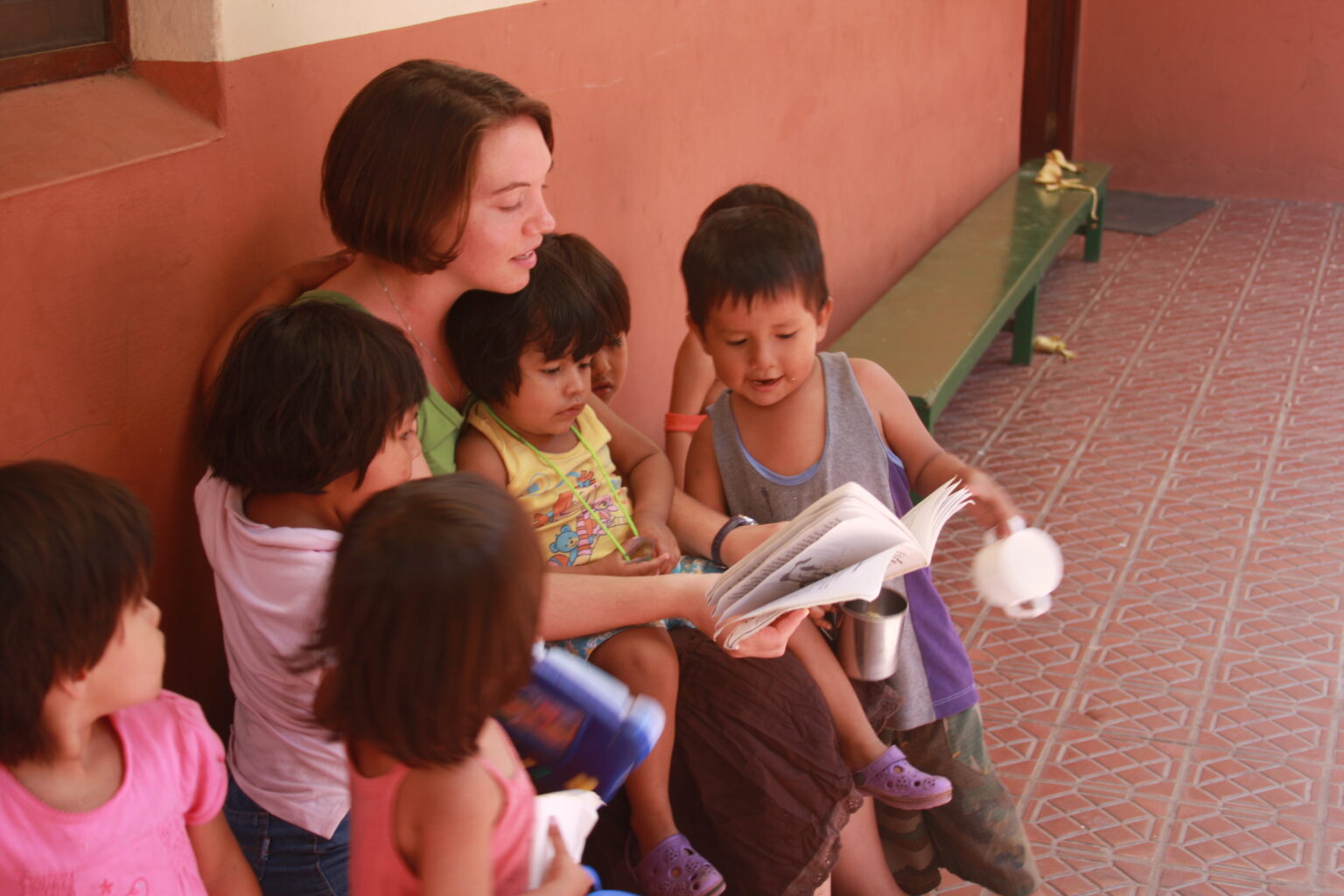
Hogar Sagrado Corazón (Sacred Heart Home) houses 120+ girls who have been abandoned, orphaned, or were in some way being abused in their homes. According to one of the Sisters here, about 30-40% have been victims of rape. The volunteers’ number one job here is to love them, which is what they need more than anything. In addition to this general purpose for the volunteer presence here, the volunteers are responsible for performing particular jobs that are essential to the hogar running smoothly.
Programs, Activities, & Other Projects
There is potential for the SLMs to be responsible for a wide range of activities in the hogar. In years past, SLMs have been in charge of the library and running the madrina sponsorship program, helping with the 0-5 year-olds in Santa Maria, helping with the 6-10 year-olds in Santa Ana, acting as the resident nurse, and being the primary tutor and secretary. So there are definitely plenty of options to choose from! In addition, each SLM is in charge of supervising a table in the dining room during meals and eat there with the kids. The volunteers also are responsible for putting on Christmas for the Hogar (which involves fundraising, as well as buying and putting together all of the gifts), for Dia de La Bruja (Halloween), and for putting on one additional Bolivian holiday celebration for the kids.
SLMs are a huge part all the celebrations, all the birthdays, feast days, etc. The volunteers run the madrina program with the help of an American liason (she lives in America). This program is in addition to other duties and requires a fair amount of bookkeeping and financial responsibility. SLMs make decisions about spending money and giving gifts to kids, gifts that they rely on, as most of the American donations go through them.
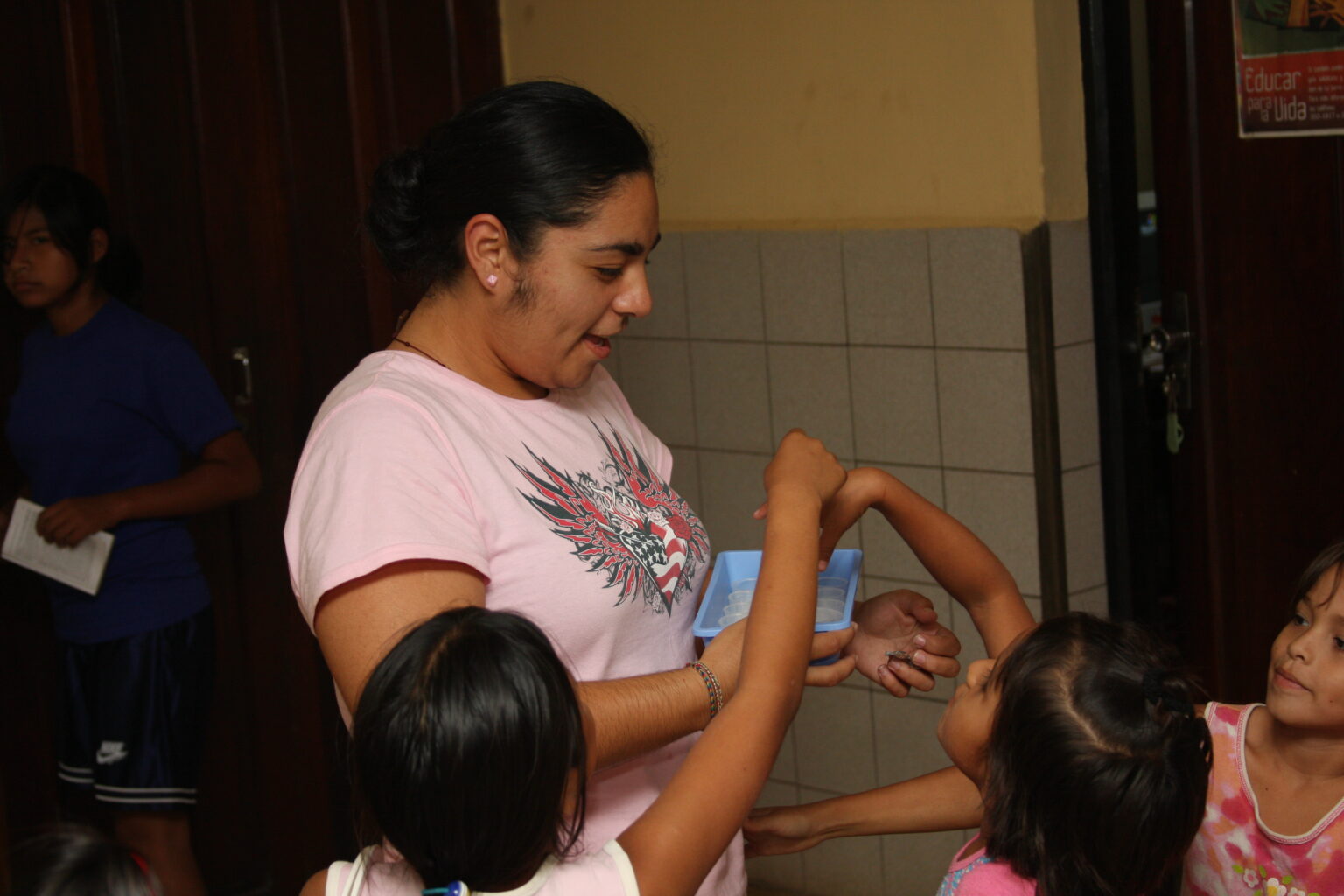
In the Salesian manner SLMs are allowed to help with chores, cooking, cleaning, homework, and games. The more time spent with the kids, the more one gets to know them and the more you can help them. They are so precious and beautiful! SLMs are free to treat this as a job, but also free to give them your life.
Duties & Responsibilities
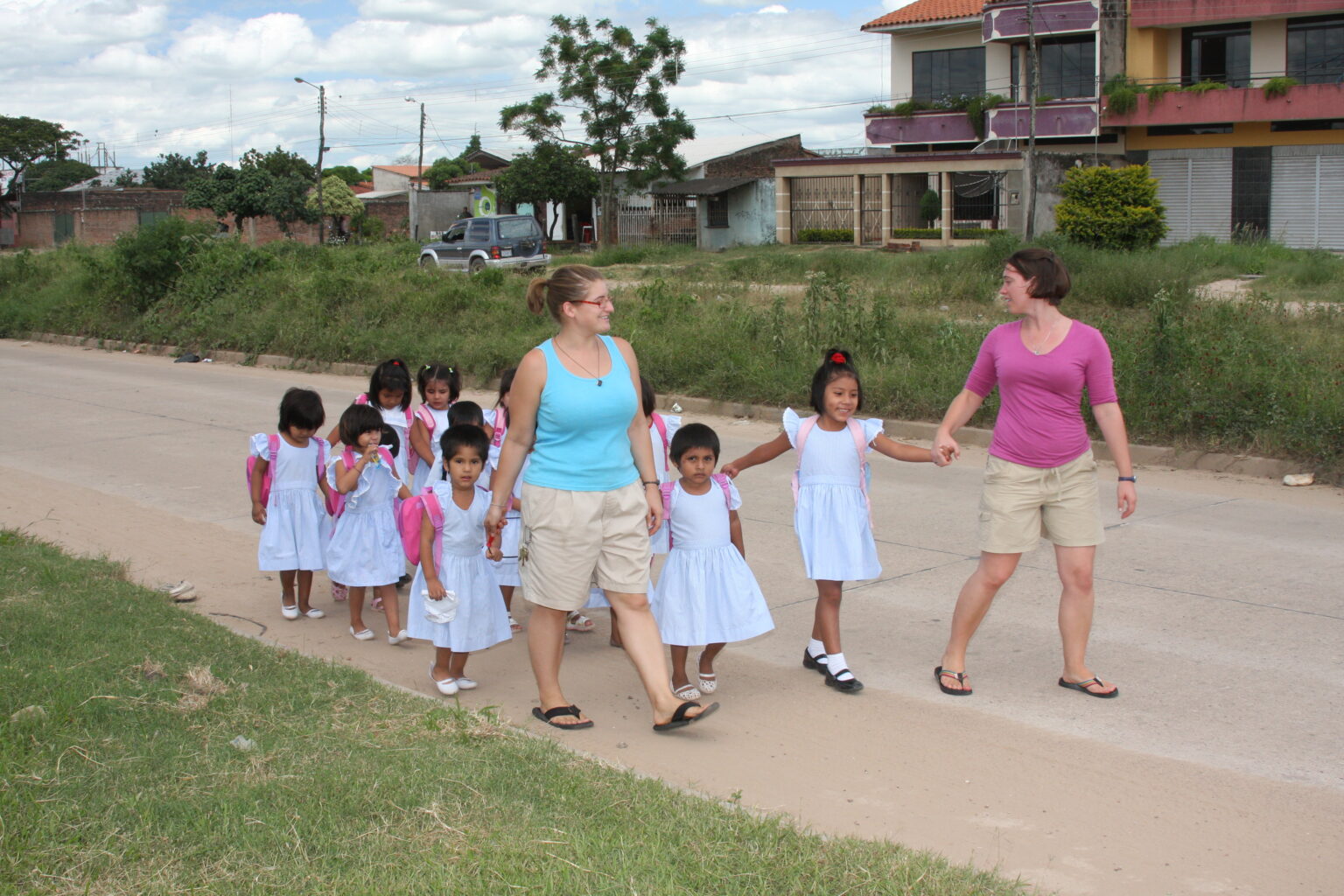
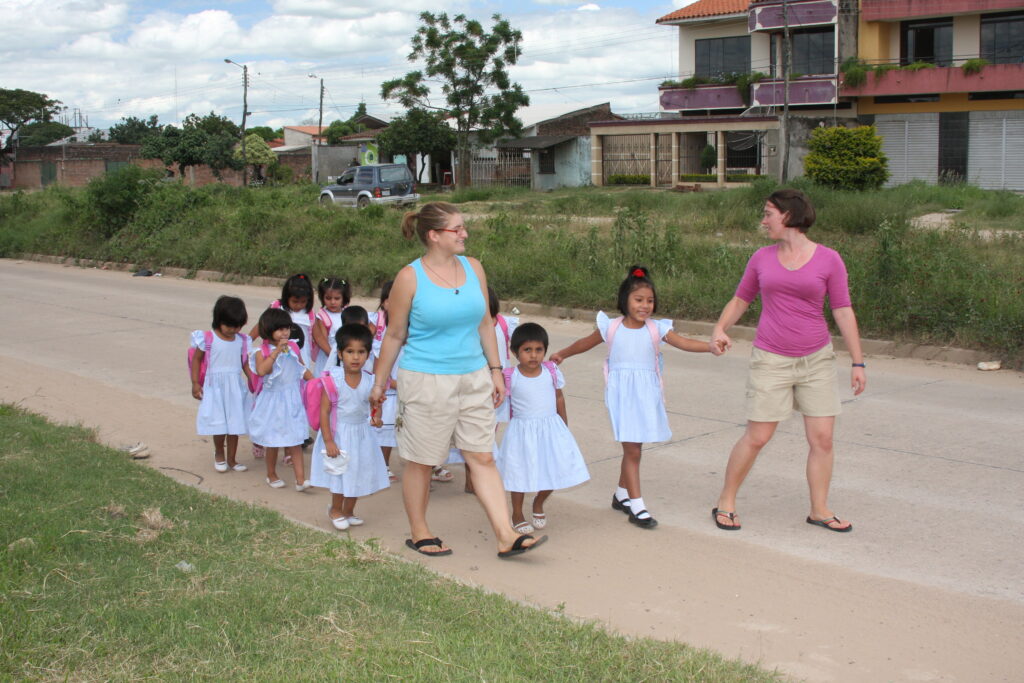
Maria to help out when they wake up. Duties may include: helping them dressed, changed, bathed, combed and brushing their teeth. This SLM also helps with homework with the kindergarten and prekinder kids. Lunch is at 11:30 followed by baths. This volunteer is then responsible for walking the girls to and from the kinder that’s down the street Santa Ana: Like with Santa María, this job essentially involves accompanying the girls (6-10 year-olds) through their daily activities. This volunteer eats with Santa Ana, helps them get ready for school, drops them off and/or picks them up from school, helps them with homework, accompanies them to music classes in the hogar, and is in charge of the jugueteria where their games and activities are kept. Basically, this volunteer just lets the girls of Santa Ana know that they are loved.
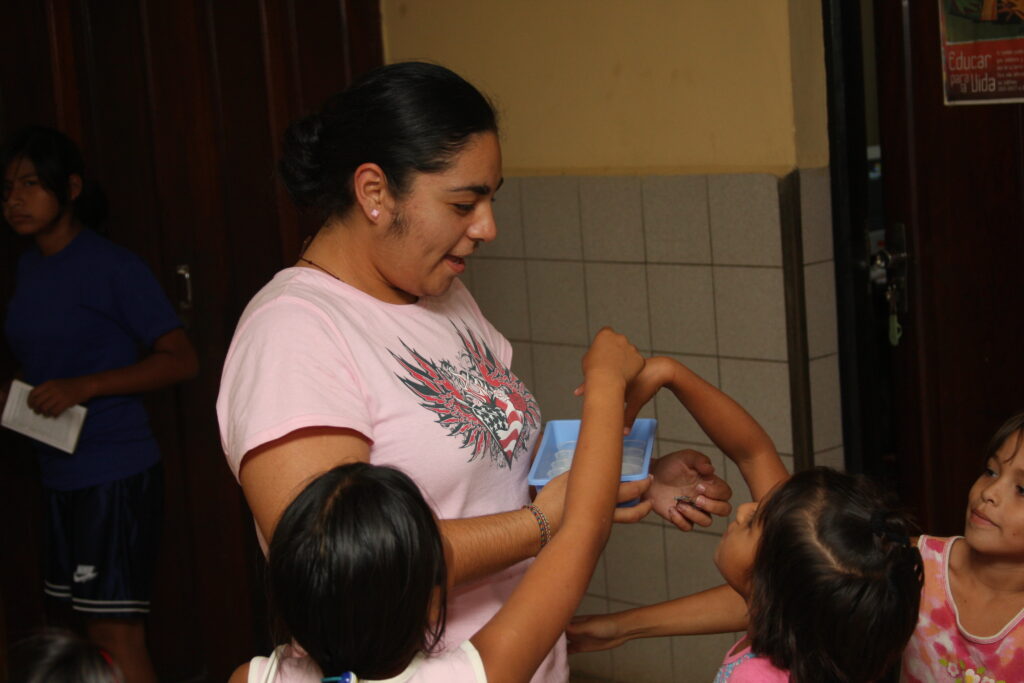
Nurse duty: This volunteer is responsible for taking care of all cuts and bruises, coughs and colds. If the girls need to see a doctor or dentist, it is the volunteer’s responsibility to bring them to the clinic. This volunteer is also then responsible for following the doctor’s instructions and administering medications and whatever lotions or creams are prescribed. The clinic is open from 8am-noon and then from 2pm-6pm. In the case of an emergency or if a doctor referral is issued for admission to a hospital, the child is accompanied to the local hospital. For cases like appendicitis (which is incredibly common here) that require the girl to stay overnight in the hospital, you are in charge of sleeping there overnight with them. This task involves the most responsibility; it is important for this volunteer to be flexible with his/her schedule (even on your day off) as a medical emergency can’t always be foreseen.
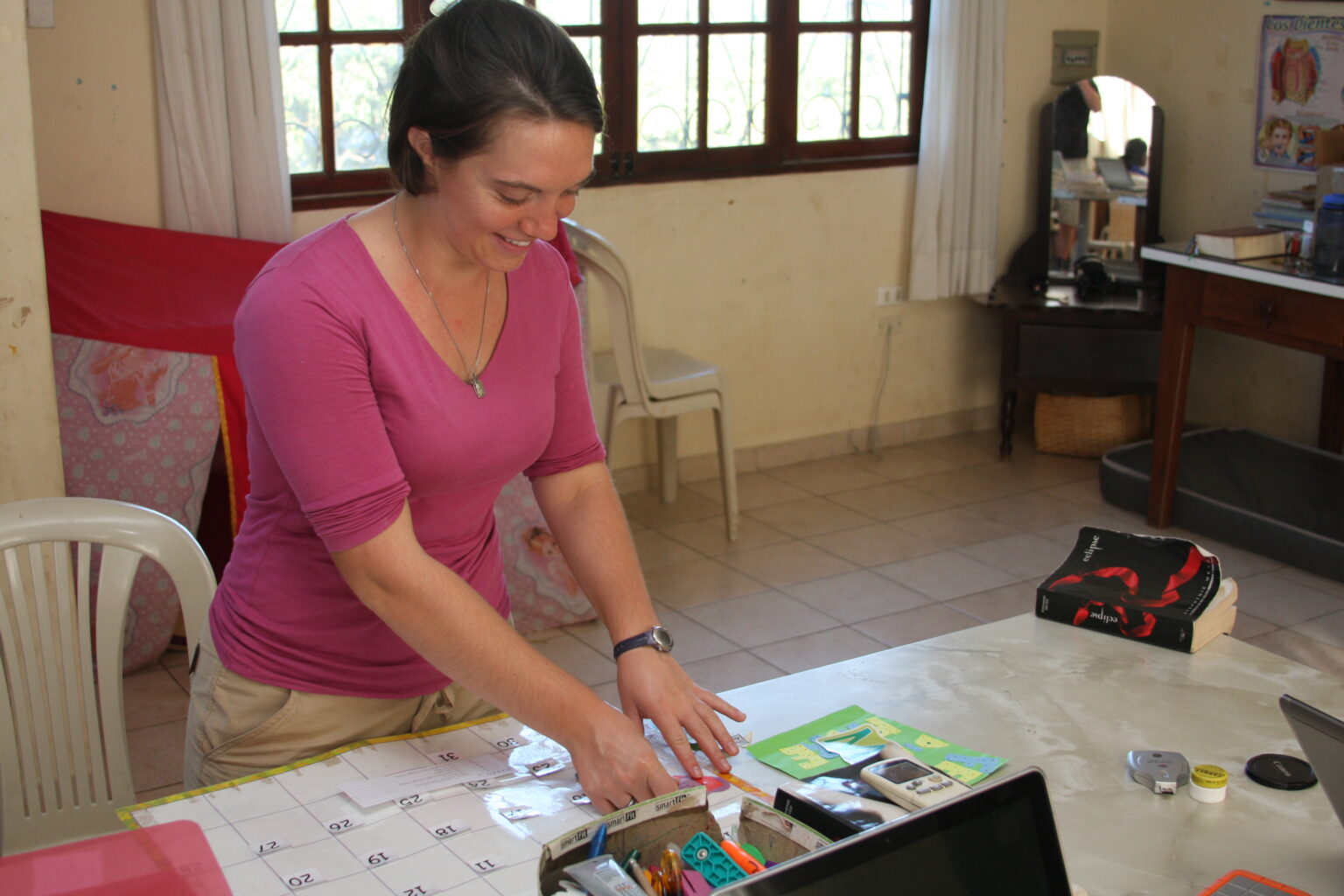
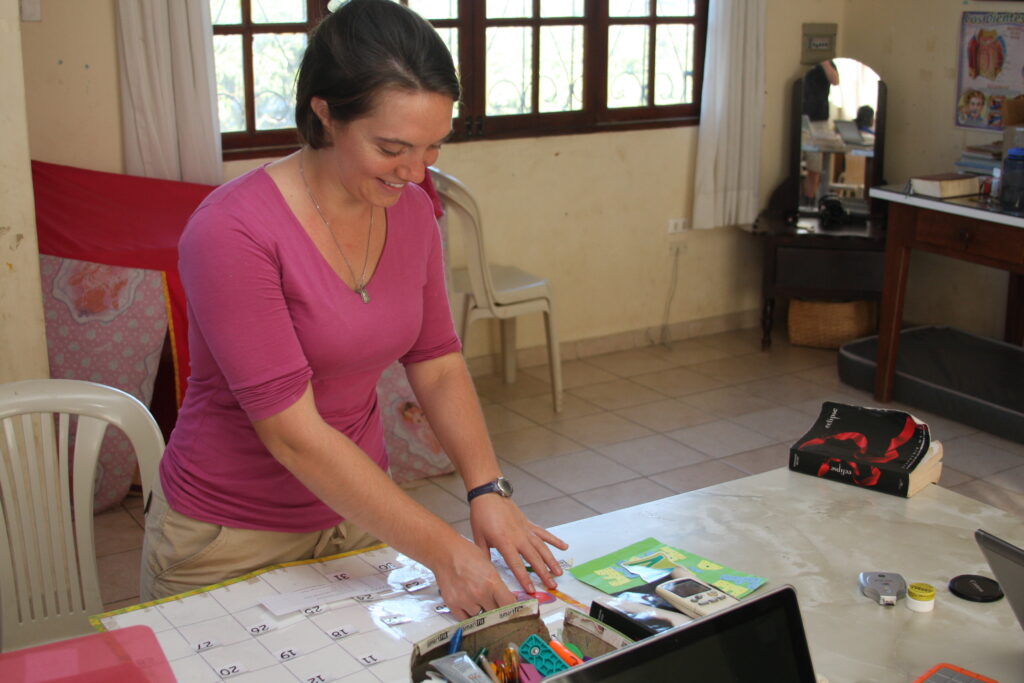
Tutor/Secretary: This job essentially covers all school-related things. You have the keys to the homework room, so you’re in charge of getting all the girls’ backpacks out in the morning before school and making sure everything’s locked up at night. You do two homework sessions, one in the morning from 8:00-10:00 and one in the afternoon form 2:00-5:00. When you’re not in the homework room, you’re in the office, answering the phone or helping with whatever random thing is going on (organizing donations, helping the social worker with paper work). Some of the nuns are not very good with computers so any time they want something made on Microsoft Word or want to look something up, you’ll help them with that. There’s also normally at least one girl who doesn’t finish her homework during the normal homework hours or needs internet, so you can help them while you’re in the office. The other part of this job is just being available for whatever random errands the madres need: going to parent-teacher conferences, buying school supplies, going to the school when there are dance performances, etc. Basically the nature of this job is just to be ready to help out with anything anybody needs at any moment. It’s always different, sometimes you don’t have a free moment between waking up and going to sleep, and other times there’s literally nothing to do, so if you like change you’ll be good at this job.
While SLMs get to know everyone in the hogar, each SLM is typically given a group of girls be be responsible for. SLMs will live the majority of your days with this group: being the proud parent at dance performances, eating meals with them, helping them with homework and chores, etc. SLMs will accompany this group of kids more so than the rest on field trips, errands, and school functions.
Practical Qualifications/Skills Needed
Being able to speak Spanish at least on a basic level is really important here. As we have particular jobs to do, it is difficult and can be discouraging trying to perform your jobs without being able to communicate well, and it would be easy to burn yourself out studying and trying to learn the language in your down time. It is strongly recommend taking at least a month or so studying at a language school if you have never studied or are not comfortable speaking Spanish. Additionally, be prepared for lots of walking, carrying children, groceries, etc., and perhaps not the comfiest bed in the world. If you have any back problems, it’s highly recommend getting it taken care of before coming down here or reconsidering placement here. Also it may be a good idea to learn about child development before coming down here. Here at the Hogar, there are girls ranging from age 1-22 years old. Therefore, learning how children develop is a plus, because knowledge of child development is often lacking and underappreciated. Knowing how to take charge of a situation is important.
Useful Academic Preparation
Nothing necessary, though persons who have studied education, nursing, psychology, and child development would have a good opportunity to put their skills to use here.
Useful Experience
As stated above, work in education, nursing, psychology, or child development would be helpful, but nothing is necessary. Being comfortable/experienced working with children would obviously be helpful. And not necessary, but helpful as well, is having some background working with children in disadvantaged and difficult situations. Psychology…SLMs work with very psychologically wounded kids.
Area Information
Hogar Sagrado Corazon is in Montero, Bolivia. Montero is a small city about 45 minutes away from the major city of Santa Cruz. It’s really dusty and dirty when it´s dry and when it rains it´s really muddy. The Hogar is in the neighborhood of Villa Cochabamba, which is poorer than other sections of the city end and mainly populated by indigenous people from the Cochabamba area.
Directly outside the Hogar is an outdoor market, run by the Quechua people. This makes it a bit more dangerous and a target for robbery, since, as one of the sisters explained, people always have money on them in the market.
There is a lot of poverty, especially on this side of town. There are also a lot of broken families.
There are girls that are from Montero, girls transferred here from other hogars, and girls from the campo, or country. The Hogar also tends to get kids for a few days, as the Hogar tends to be the first one they come to from the country on their way to other hogars.
Area Information
Hogar Sagrado Corazon is in Montero, Bolivia. Montero is a small city about 45 minutes away from the major city of Santa Cruz. It’s really dusty and dirty when it´s dry and when it rains it´s really muddy. The Hogar is in the neighborhood of Villa Cochabamba, which is poorer than other sections of the city end and mainly populated by indigenous people from the Cochabamba area.
Directly outside the Hogar is an outdoor market, run by the Quechua people. This makes it a bit more dangerous and a target for robbery, since, as one of the sisters explained, people always have money on them in the market.
There is a lot of poverty, especially on this side of town. There are also a lot of broken families.
There are girls that are from Montero, girls transferred here from other hogars, and girls from the campo, or country. The Hogar also tends to get kids for a few days, as the Hogar tends to be the first one they come to from the country on their way to other hogars.
Special Challenges & Conditions
People with severe food allergies shouldn’t come here because it’s really hard to predict the diet/meals and to contain food allergens in a house full of 120+ children and with donated food. However, our diet has improved significantly since years prior because they just built a new volunteers quarters with a kitchen that allows us to cook our own meals or make smaller snacks to supplement our diet if the food served isn’t enough. Life at the Hogar is physically demanding and people with health conditions would be discouraged from coming. The Hogar is all about going with the flow and communication can be a challenge. People need to be flexible. Everyone is sent here and there at a moments notice and plans constantly change. Highly detailed rules are formed in moments. It is hot most of the year without air conditioning and you may be expected to walk more than you may have been accustomed to at home.
One could describe life in the hogar as living in community, but a degree of independency is needed. One needs to be able to know and express one’s needs but also be comfortable living with 100 other people, with superiors, and in a place where you don’t necessarily understand everything. Patience to wait to see what is going on helps a lot. They do their absolute best to make the volunteers comfortable, welcomed, and happy.
Housing & Community
Live with Religious
Housing
SLMs live within the Hogar grounds but in a separate area designated for volunteers. The religious sisters live in the convent which is adjacent to the Hogar.
Room
Daily Eucharist
Bathroom
Launder
Usually by hand
Access to ATM
Local Medical Facilities
The city of Montero has a large number of smaller clinics that are able to do a lot. Larger clinics/hospitals are also nearby for more serious conditions.