
Don Bosco Negombo
Site Overview
Situated in the coastal city of Negombo, Sri Lanka, Don Bosco Technical Centre is a dynamic vocational training institute established by the Salesians in 1962, with a boarding facility added in 1976 (donbosco.lk). The center addresses local youth unemployment by offering a wide range of technical courses—such as mechanics, welding, refrigeration, electronics, computing, and more—all accredited through the National Vocational Qualifications (NVQ) system . Beyond technical education, the campus includes a parish, youth center called “Dahampasala,” and a new gym inaugurated in 1996, making it a vibrant hub for technical, spiritual, and community development (dbdcsl.lk).
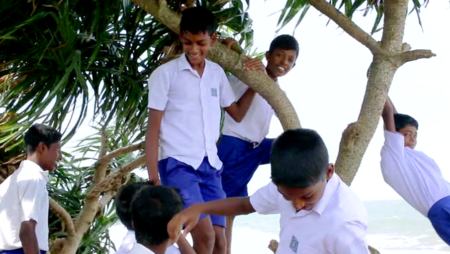
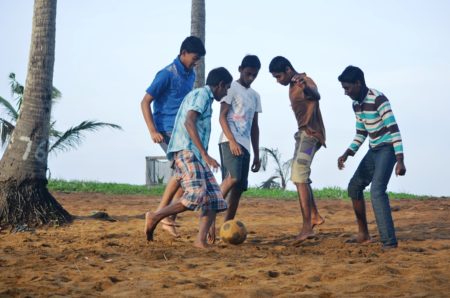
Volunteers at Don Bosco Negombo serve as mentors, workshop assistants, and youth animators. They support technical instructors, lead soft skills sessions, encourage participation in sports and extracurricular events, and accompany students through a values-driven education rooted in Don Bosco’s preventive system. With a proven track record in rehabilitating and empowering marginalized youth—and even receiving national awards for child protection—this placement provides rich opportunities to contribute to meaningful vocational training, youth ministry, and community impact in Sri Lanka .
Available Ministries
-
Education
-
Teacher (Primary)
-
Teacher (Secondary)
-
Healthcare
-
Nurse & Nurses Aide
-
Social Work
-
Youth Centre



Ministry Background
We the Salesians of Don Bosco are involved in the youth ministry in Sri Lanka since 1956. Up to now our main target was vocational training. Thanks to the dedication and hard work of the fore-runners of our mission, today we see a vast improvement in the lives of the many young people who benefited from this service. Salesian communities all over the world including Sri Lanka, target poor, abandoned, and underprivileged children and youth in society to develop them through the Preventive System to have a good and productive life. In this endeavor, the Salesians of Don Bosco Sri Lanka are involved in the holistic formation of underprivileged children and youth through the many institutions setup across the island. The Mission of the Salesians of Don Bosco is the educational and broad human development of poor, disadvantaged, abandoned, orphaned children and youth, to earn a decent living for themselves and their families and become responsible, constructive citizens of the world.
Purpose & Objectives
All Sri Lankans have as citizens, the right to a free education. Sri Lankans, justly, take pride in the fact that in despite being in the lower income group of countries, the nation is able to boast a literacy rate of 92%. There is a glaring lack of civic and practical education from Primary to tertiary education levels. Graduates of the Sri Lankan education system are seen as lacking “”soft skills”” or personal attributes that enable someone to interact effectively and harmoniously with other people. This could be a result of the set up of the education system which promotes academic achievement over a holistic education- which is a much broader concept including physical, aesthetic and social development, through sports, music and arts and relationships with society. The crisis of school education refers to the decline in academic quality of school leavers, poor performance in public examinations, deterioration of student conduct and the general lack of discipline in schools and corruption that pervades the school education system. Lack of English proficiency is a key constraint affecting the employability of the Sri Lankan graduates in the private sector, according to a recent Labour Demand Survey conducted by the Census and Statistics Department of Sri Lanka. Youth and young professionals from the area will also be provided access to a professional English education in partnership with Salesians through this project. The youth will be provided with an opportunity to learn spoken English, grammar, reading and writing skills using the Don Bosco proprietary English Language course to improve their employment prospects at home and abroad. The Don Bosco English course will cover all proficiency levels and include a range of age-appropriate courses, from kids in school to adults in university, corporate, aviation or other vocational settings. Don Bosco English courses are designed to be used in a blended learning environment, along with teachers and classroom support.
Programs, Activities, & Other Projects
Technical School, Boarding Houses, Kindergarten, Youth Apostolate, Evening tuition classes for school going children, Drop-in Centers, Beach children ministry, Orphan & Semi-Orphan care, Past Pupils, ADMA, Co-operators, Prison ministry, School ministry, Parish
Duties & Responsibilities
#NAME?
Practical Qualifications/Skills Needed
A recognised teaching English as a foreign language qualification validated by a reputable examination body or university will be very useful.
Useful Academic Preparation
Pre-entry experience, for example as an English teacher, ESL teacher or a language assistant in a summer school, home tutor, or voluntary work abroad, is useful.
Area Information
Negombo is the second city in Sri Lanka in terms of economy. Negombo is about 9 km from the Bandaranaike International Airport, and the free trade zone. Negombo has a moderate fish port (used during the periods of Portuguese and Dutch colonization) The economy of Negombo is mainly based on tourism and its centuries-old fishing industry, though it also produces cinnamon, ceramics, and brass ware. The Colombo Stock Exchange-Negombo branch and many major financial corporations have their key branches in Negombo. There are department stores, large supermarkets, and boutiques in the bustling streets of Downtown and international food outlets are being opened. Negombo is one of the major commercial hubs in the country. Negombo is known for its long sandy beaches and centuries old fishing industry. Negombo has a large bilingual population of Roman Catholics. Negombo is about 2 meters above sea level, and Negombo’s geography is a mix of land and water. The Dutch canal flows in the heart of the city. The lagoon is one of the most scenic landmarks of Negombo. There are over 190 species of wildlife and plenty of birds in its mangroves. The northern border of the city is formed by the Ma Oya river which meets the Indian Ocean. Negombo features a tropical rainforest climate under the Köppen climate classification. The city receives rainfall mainly from the Southwestern monsoons from May to August and October to January. During the remaining months there is a little precipitation due to Convective rains. The average annual precipitation is about 2400 millimetres. The average temperature varies 24 to 30 degrees Celsius, and there are high humidity levels from February to April.
Area Information
Negombo is the second city in Sri Lanka in terms of economy. Negombo is about 9 km from the Bandaranaike International Airport, and the free trade zone. Negombo has a moderate fish port (used during the periods of Portuguese and Dutch colonization) The economy of Negombo is mainly based on tourism and its centuries-old fishing industry, though it also produces cinnamon, ceramics, and brass ware. The Colombo Stock Exchange-Negombo branch and many major financial corporations have their key branches in Negombo. There are department stores, large supermarkets, and boutiques in the bustling streets of Downtown and international food outlets are being opened. Negombo is one of the major commercial hubs in the country. Negombo is known for its long sandy beaches and centuries old fishing industry. Negombo has a large bilingual population of Roman Catholics. Negombo is about 2 meters above sea level, and Negombo’s geography is a mix of land and water. The Dutch canal flows in the heart of the city. The lagoon is one of the most scenic landmarks of Negombo. There are over 190 species of wildlife and plenty of birds in its mangroves. The northern border of the city is formed by the Ma Oya river which meets the Indian Ocean. Negombo features a tropical rainforest climate under the Köppen climate classification. The city receives rainfall mainly from the Southwestern monsoons from May to August and October to January. During the remaining months there is a little precipitation due to Convective rains. The average annual precipitation is about 2400 millimetres. The average temperature varies 24 to 30 degrees Celsius, and there are high humidity levels from February to April.
Special Challenges & Conditions
None.