Salesian Missionary Volunteer Program - Ecuador
Site Overview
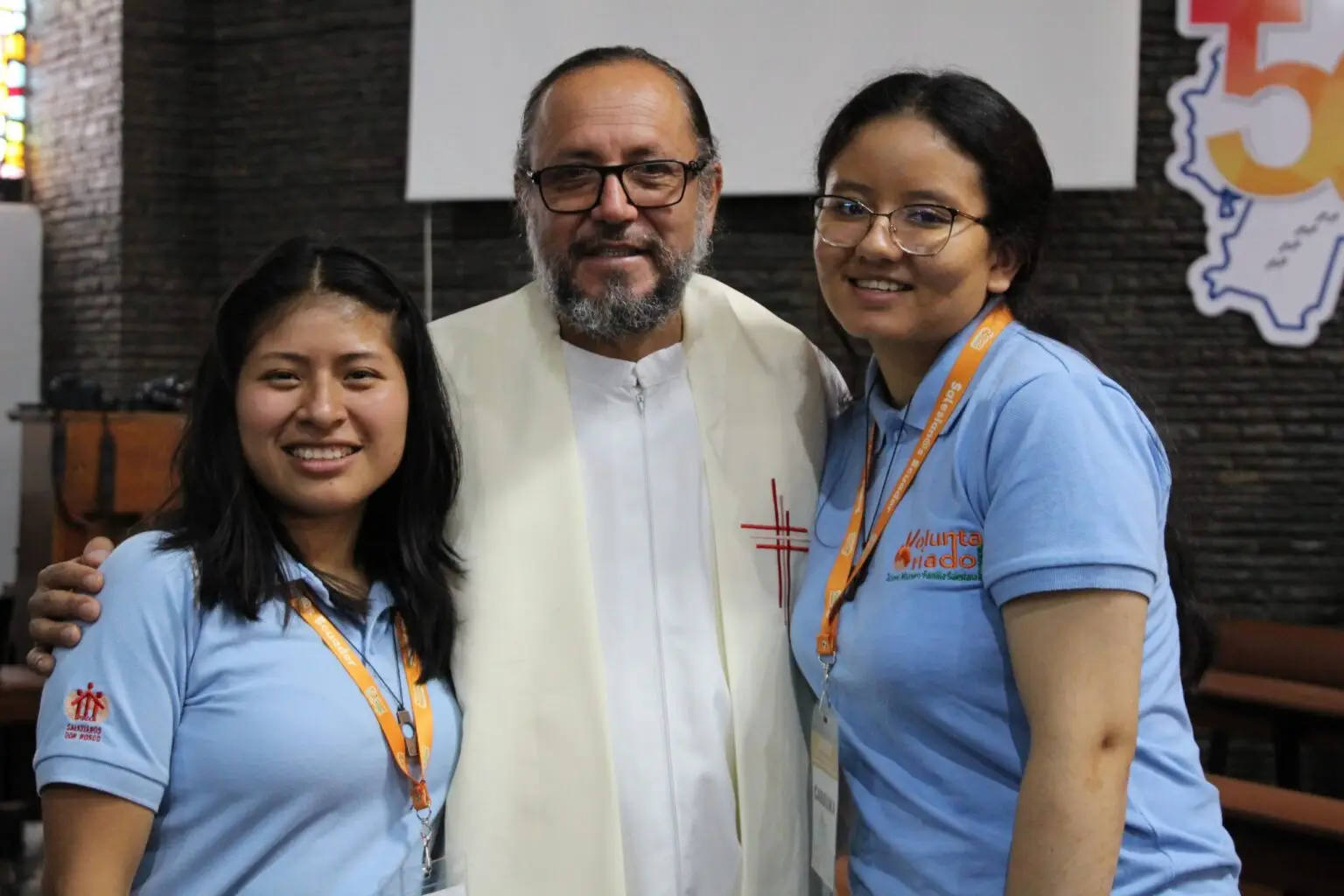
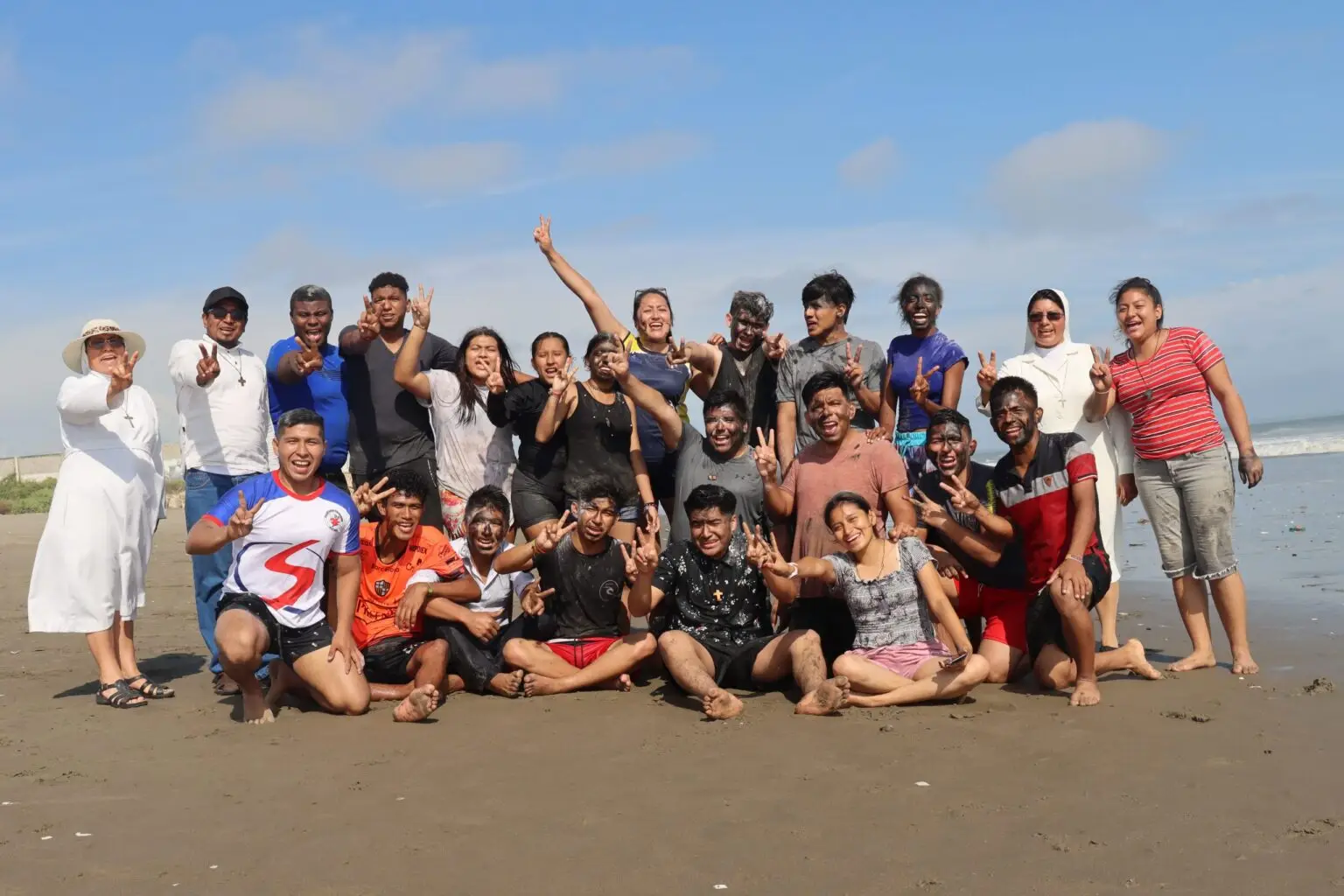
The Salesian Missionary Volunteer Program (Voluntariado Juvenil Misionero de la Familia Salesiana – VJMFS) in Ecuador is one of the longest-running and most established Salesian volunteer programs in the world. What began in 1972 as a local initiative has grown into an inspectorial program that has formed and sent more than 2,500 young volunteers to serve throughout Ecuador. Today, it is considered a model within the Salesian Family internationally for its emphasis on formation, missionary service, and vocational discernment.
The program is coordinated jointly by the Salesians of Don Bosco (SDB), the Daughters of Mary Help of Christians (FMA), and the Daughters of the Sacred Hearts of Jesus and Mary (HHSSCC). Volunteers are welcomed into Salesian communities across the country, where they become part of the local educational and pastoral project while living the Salesian charism through community life, service, and evangelization.
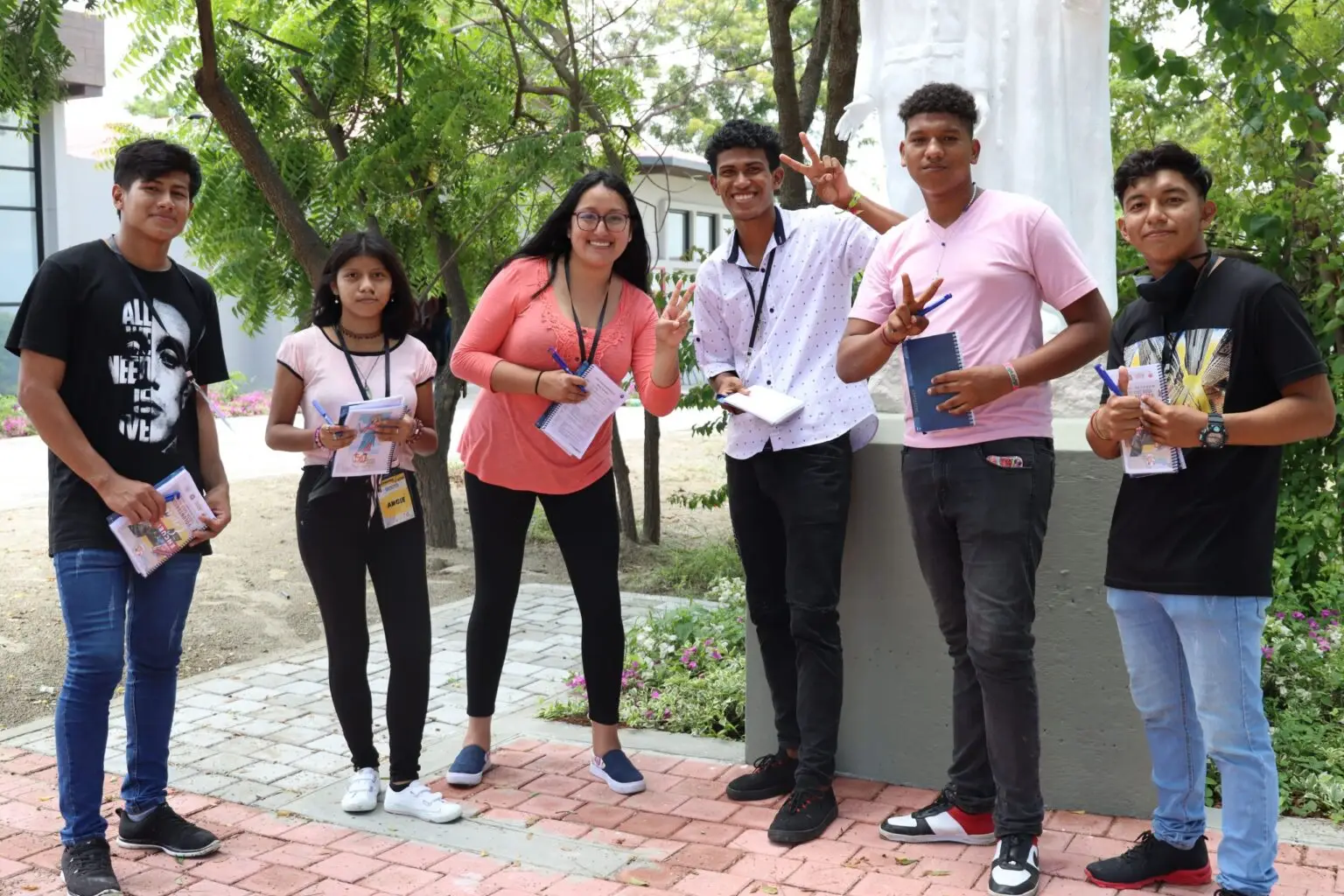
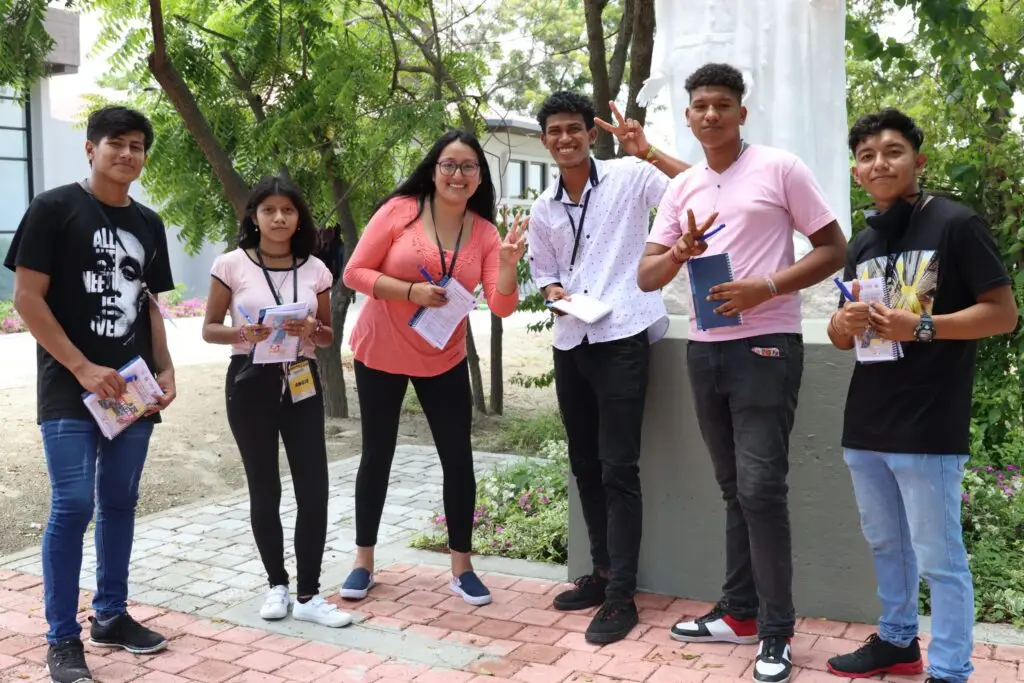
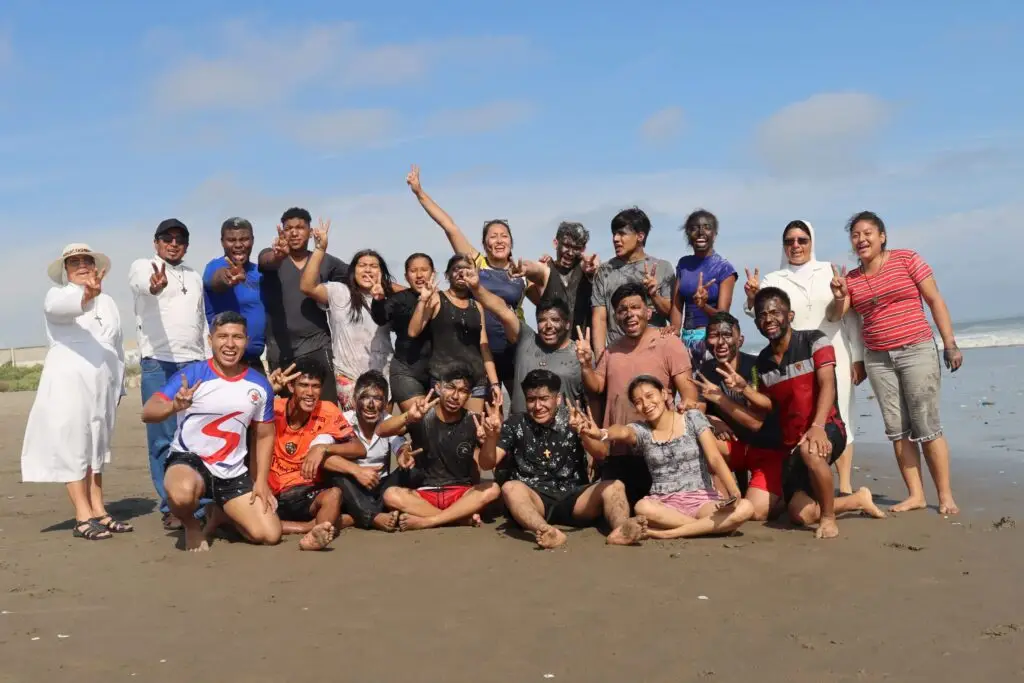
Placements are found throughout Ecuador in schools, youth centers, parishes, social works, missions, and projects serving vulnerable children, youth, Indigenous communities, Afro-Ecuadorian communities, migrants, and families living in situations of poverty. Volunteers accompany young people through education, catechesis, recreation, social outreach, and daily presence in the spirit of Don Bosco.
Available Ministries
- Catequesis & Retreat
- Education
- Parish
- Project Development Office (PDO)
- Social Work
- Youth & Campus Ministry
- Youth Centre
Location
Time Commitment
Opportunities
Language
Ministry Background
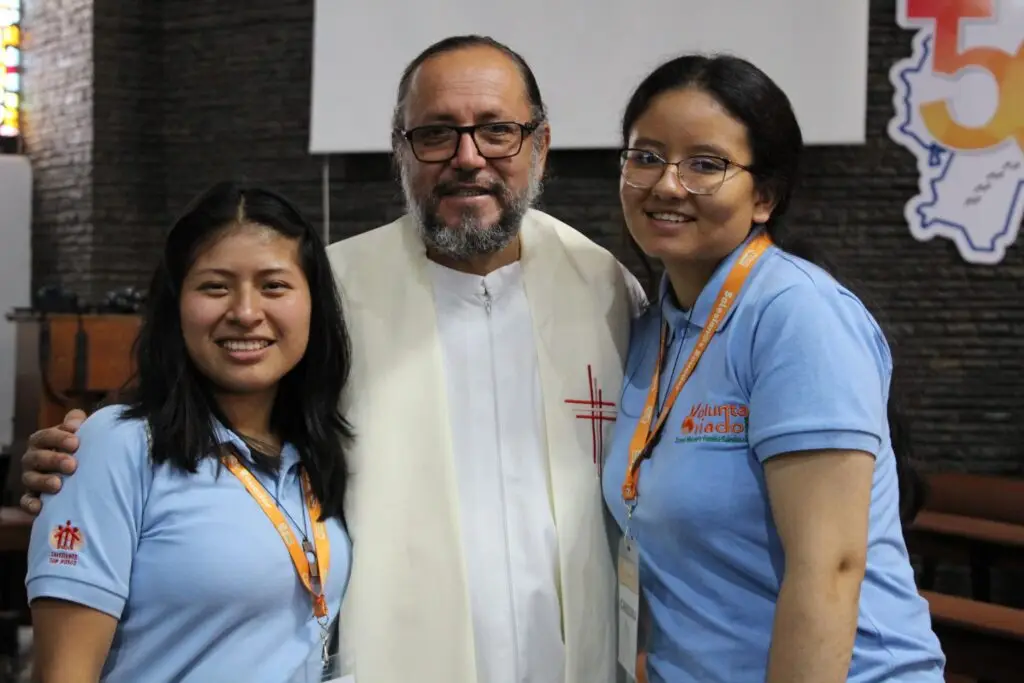
The Ecuadorian Salesian Volunteer Program began in 1972 and has become one of the defining ministries of the Salesian Province. In 1980 it was formally adopted by the province, and over time it expanded to become a collaborative initiative of multiple branches of the Salesian Family. The program follows three intentional stages: Pre-Volunteer Formation, Volunteer Service, and Post-Volunteer Accompaniment, emphasizing that missionary service is part of a lifelong journey of Christian discipleship rather than simply a year of volunteering.
Purpose & Objectives
The purpose of the program is to provide young adults with a transformative missionary experience rooted in faith, community, and service. Volunteers integrate into the educational and pastoral mission of a Salesian community, accompanying children and young people while growing personally, spiritually, and vocationally through missionary service.
Programs, Activities, & Other Projects
Depending on the community assignment, volunteers may also participate in:
- Amazon and Indigenous mission experiences
- Andean rural outreach
- Youth leadership formation
- Social outreach for children at risk
- Parish evangelization
- Migrant ministry
- Communications and media projects
- Educational support programs
- Mission trips and seasonal evangelization initiatives
Duties & Responsibilities
Responsibilities vary by placement but commonly include:
- Assisting with youth ministry and Salesian Youth Movement activities
- Teaching or tutoring children and adolescents
- Leading games, recreation, and extracurricular activities
- Supporting catechesis and sacramental preparation
- Visiting families and accompanying vulnerable youth
- Assisting in schools, youth centers, and social programs
- Supporting parish ministries and liturgical celebrations
- Helping organize retreats, camps, and missionary activities
- Serving as a joyful Salesian presence among children and young people
Practical Qualifications/Skills Needed
- Strong Catholic faith and missionary spirit
- Love for working with children and youth
- Adaptability and openness to different cultures
- Ability to live in community
- Initiative and creativity
- Good interpersonal and communication skills
- Emotional maturity and resilience
- Willingness to serve wherever needed
Useful Academic Preparation
No specific academic degree is required, although backgrounds in education, theology, psychology, social work, healthcare, communications, or related fields can be especially beneficial depending on the placement.
Useful Experience
- Youth ministry
- Catechesis
- Teaching or tutoring
- Camp leadership
- Parish involvement
- Social outreach
- Mission trips
- Community living
- Previous volunteer experience
Area Information
Placements are available throughout Ecuador in urban, rural, Andean, Amazonian, coastal, and migrant communities. Volunteers may serve in large cities such as Quito, Cuenca, Guayaquil, or Riobamba, as well as remote Indigenous and Amazonian missions depending on community needs.
Involvement with the religous community
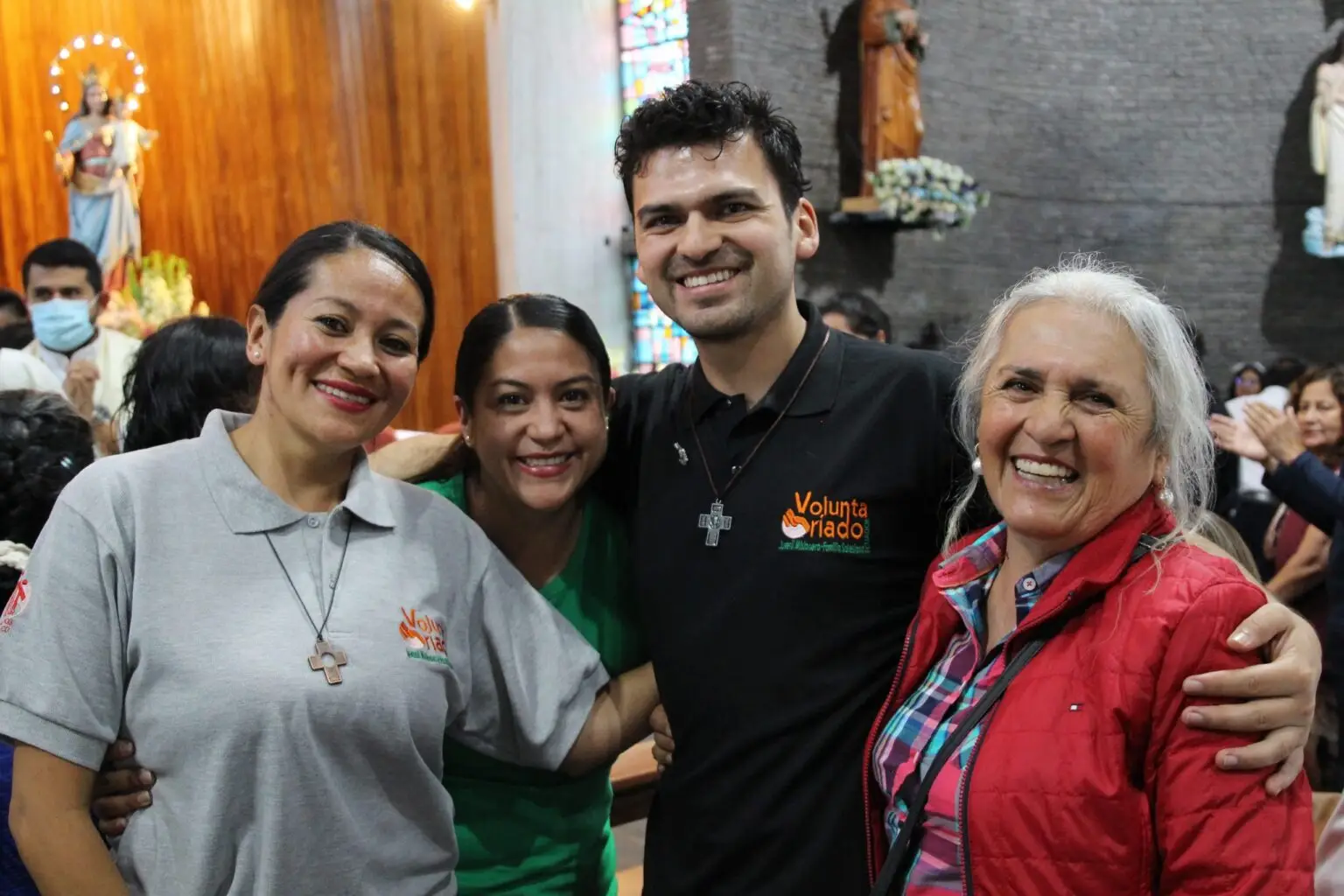
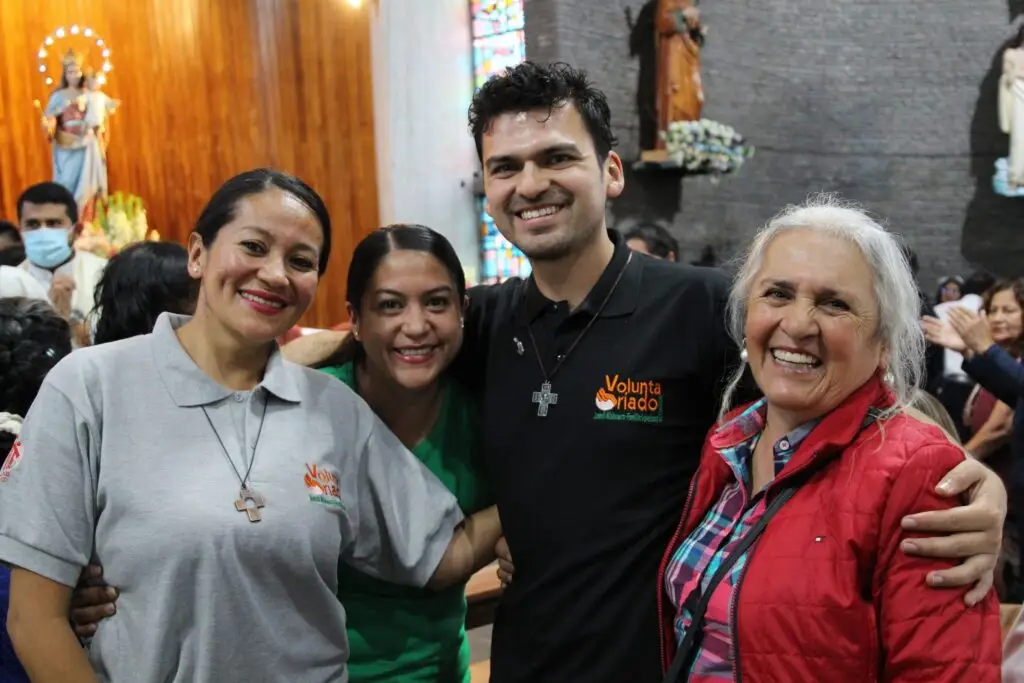
Volunteers are fully integrated into the life of their host Salesian community, sharing prayer, meals, ministry, recreation, and community responsibilities. Living alongside Salesians and members of the Salesian Family is considered an essential component of the volunteer experience and a key element of ongoing formation.
Area Information
Placements are available throughout Ecuador in urban, rural, Andean, Amazonian, coastal, and migrant communities. Volunteers may serve in large cities such as Quito, Cuenca, Guayaquil, or Riobamba, as well as remote Indigenous and Amazonian missions depending on community needs.
Involvement with the greater community
Volunteers become active members of the local educational and pastoral community, working alongside teachers, catechists, youth leaders, parishioners, and families. Depending on the assignment, they may also participate in outreach among Indigenous peoples, Afro-Ecuadorian communities, migrants, and underserved rural populations.
Special Challenges & Conditions
Placements vary considerably across Ecuador. Volunteers should be prepared to adapt to different climates, elevations, cultures, and living conditions depending on their assignment. Some communities are located in large cities, while others serve remote Andean or Amazonian regions with limited infrastructure. Flexibility, simplicity of life, cultural sensitivity, and a willingness to embrace community living are essential. The missionary nature of the program also calls volunteers to accompany young people facing poverty, exclusion, or vulnerability with patience, hope, and the preventive spirit of Don Bosco.
Housing & Community
Live with Religious
Room
Daily Eucharist
Bathroom
Launder
Laundry facilities are generally available within the community.
Access to ATM
Local Diet
Meals are shared with the local community and reflect Ecuadorian cuisine. Volunteers should be open to adapting to local customs and regional foods, which vary between the Andes, Coast, and Amazon.
Local Medical Facilities
Medical facilities vary according to the placement location. Urban placements provide access to modern healthcare, while rural and Amazonian communities may have more limited medical services.